While, like everyone else, I am working from home due to the COVID-19 pandemic, I have had time to think. As well as checking news and updates about prevention measures (and, hopefully, soon a vaccine), I started considering the advances made in the BioTech and HealthTech spaces.
Despite being slowed massively by the pace of regulation and health governing bodies, there are already many promising initiatives in this space demonstrating the potential of technology to improve health and wellbeing. This ranges from simple data collection to the automation and implementation of measures that could save lives (or at least ameliorate health conditions) in our homes, workplaces and on the move in our cities.
Coming back to COVID-19 for a moment, one of the prevention measures that stood out to me (on top of the handwashing and social distancing that has become our daily mantra) was looking after the air quality in our homes. It is something that can really improve respiratory health – especially if you are self-isolating or shielding.
Improving air quality in our homes and cities is an objective that, if achieved at scale, would have significant healthcare-related and environmental benefits for everyone. As things stand today, we already have the technology to help us monitor the air quality in our homes.
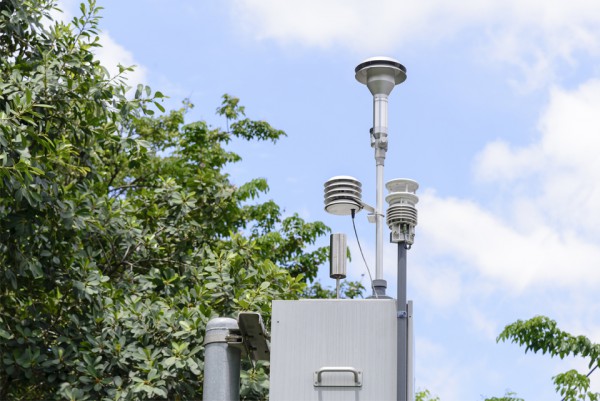
Air quality monitors are smart devices that measure the level of common air pollutants – and are available for both indoor and outdoor settings. Indoor monitors are typically sensor-based instruments. They often come as mixed gas units and measure ppb levels (the number of particles per billion). Sensor-based instruments and air quality monitoring systems are used widely in outdoor ambient applications.
Typically, air quality monitors have three sensors that monitor:
oxygen
carbon monoxide
carbon dioxide
The oxygen sensor is an electrochemical sensor. Any gas that can be oxidised or reduced electrochemically can be detected by this type of fuel-based sensor. The consumption of oxygen produces a current that is linearly proportional to the concentration of gas in air, which is how the sensor detects it. Since the oxygen sensor is constantly exposed to oxygen, the normal life of the sensor is between 1-2 years.
The carbon monoxide sensor is also an electrochemical sensor, which operates by the same basic principles as the oxygen sensor. It consumes minute amounts of gas, with the absorption of gas and electric output being controlled by a ‘diffusion barrier’.
The carbon dioxide sensor is, instead, an infrared detection sensor, which operates by transmitting an infrared beam through the sample. This absorbs the energy of the beam, depending on the concentration of carbon dioxide present, and detects how much of the infrared beam’s energy is left after passing through the sample. It then converts this to a reading of carbon dioxide concentration.
That is how the sensors get their readings, but what makes the devices smart are the connectivity components which can transmit these measurements, via WIFI, Bluetooth or any other data transmission protocol. We have implemented this kind of technology before to monitor air quality in the home or in workplaces. And it does provide great insight into how clean the air in your room or shared workspace is.
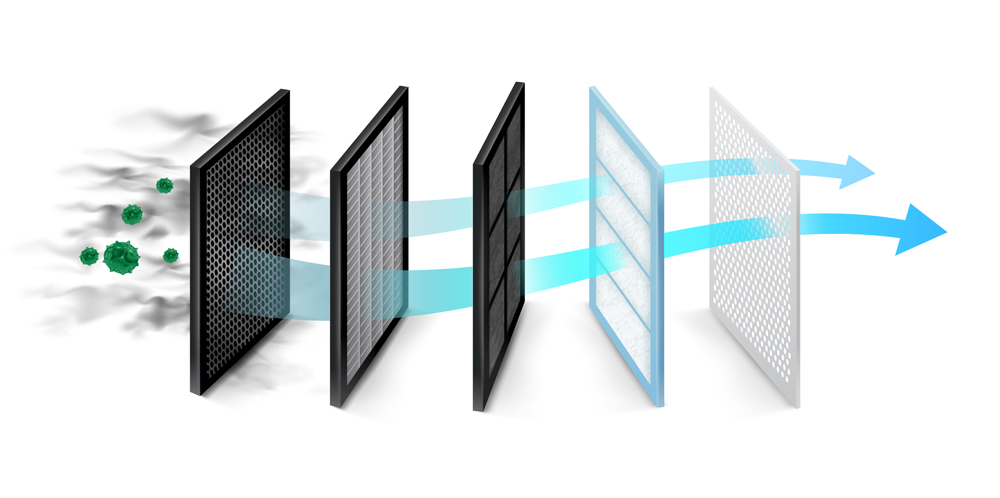
This could certainly help individuals currently confined to quarantine in their homes, making sure they have the right oxygen flux and healthy clean air. And, if they don’t, they will know to take manual steps such as opening windows or turning on an air purifier. In some cases, when a certain level of pollution is detected, automation on the monitors can trigger the air purifier to start or send app notifications to the user.
We are just starting to scratch the surface regarding the potential for such technologies to improve our daily lives. Collecting data and providing insight is something we can do today. And the potential is there for air quality monitoring devices to extend to include sensors for all known air pollutants – and even sensors for viral and bacterial elements in the air.
These sensors could also share data with appropriate individuals – under the tight control of the device owner, of course. For example, it could make sure your doctor is aware of the conditions in your house and help healthcare organisations monitor the spread of pandemics. Automation can also introduce localised decision making, from simply opening a window automatically to deploying counter measures that could help save lives.
It is, indeed, a difficult time we live in. But, in retrospect, we have made a lot of progress with healthcare, biotech and information technologies – and this makes me feel optimistic about the future.
We have to learn from our experiences, and we have the right tools to make the future a better place. These are measures as Smart Citizens we should be readily able to subscribe to in the future.
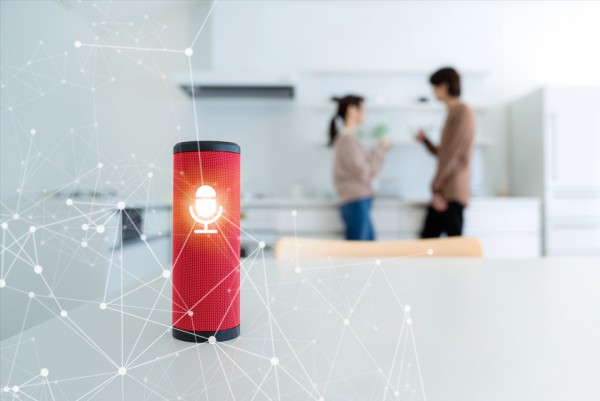
If you’re reading this article, you’ve no doubt heard the terms ‘smart home’, ‘smart workplace’ and ‘smart city’. All of us have definitely heard of the smartphone – in fact, you’re highly likely to be using one to read this article. Today, technology can make pretty much everything ‘smart’ – including devices, machines, spaces, activities and even entire cities. The concept behind this is known as the Internet of Things (IoT), but what does that really mean? What if all the devices in your life (not just your smartphone, but also your lightbulbs, doorbell, camera, window, car, fridge, or running shoes…) could collect useful information on indicators like temperature, location, pollution or movement? And, what if all these devices connected to the Internet, communicating this information to you or receiving commands from you to open the door, warm the oven, or to start your car engine? All of this exists today thanks to the IoT making everything around you smart.
One of the areas where we’ve enjoyed success in deploying these amazing devices is consumer IoT. In this area, we’re helping a global Telco roll out new and exciting gadgets to their customers. But how are we making this exciting journey to a smarter world? Initially, we helped our client create the cloud platform required to store and run server-based IoT applications. This included notification capabilities, Big Data, analytics, dashboards, automation and workflows. In some cases, it also required artificial intelligence (AI) to make smart devices even more intelligent, creating a unique differentiator to the competitors in the market. While our cloud architects and developers were working on the server-side applications, we collaborated with the client’s commercial team to identify, asses and onboard consumer-centric devices – along with the supporting applications and services in hot consumer demand. This allowed us to deliver a prioritised, continuously refreshed collection of valuable IoT devices.
We’ve already started integrating these devices into the IoT platform. And we’re doing this in cycles to not just allow early releases to the market but also to ensure the continuous improvement of the IoT platform and supporting services. It’s all part of an ongoing process as the team learns from end consumers and incorporates that knowledge into future deployments. Some of the most successful smart devices that we’ve integrated are sold in stores and online.
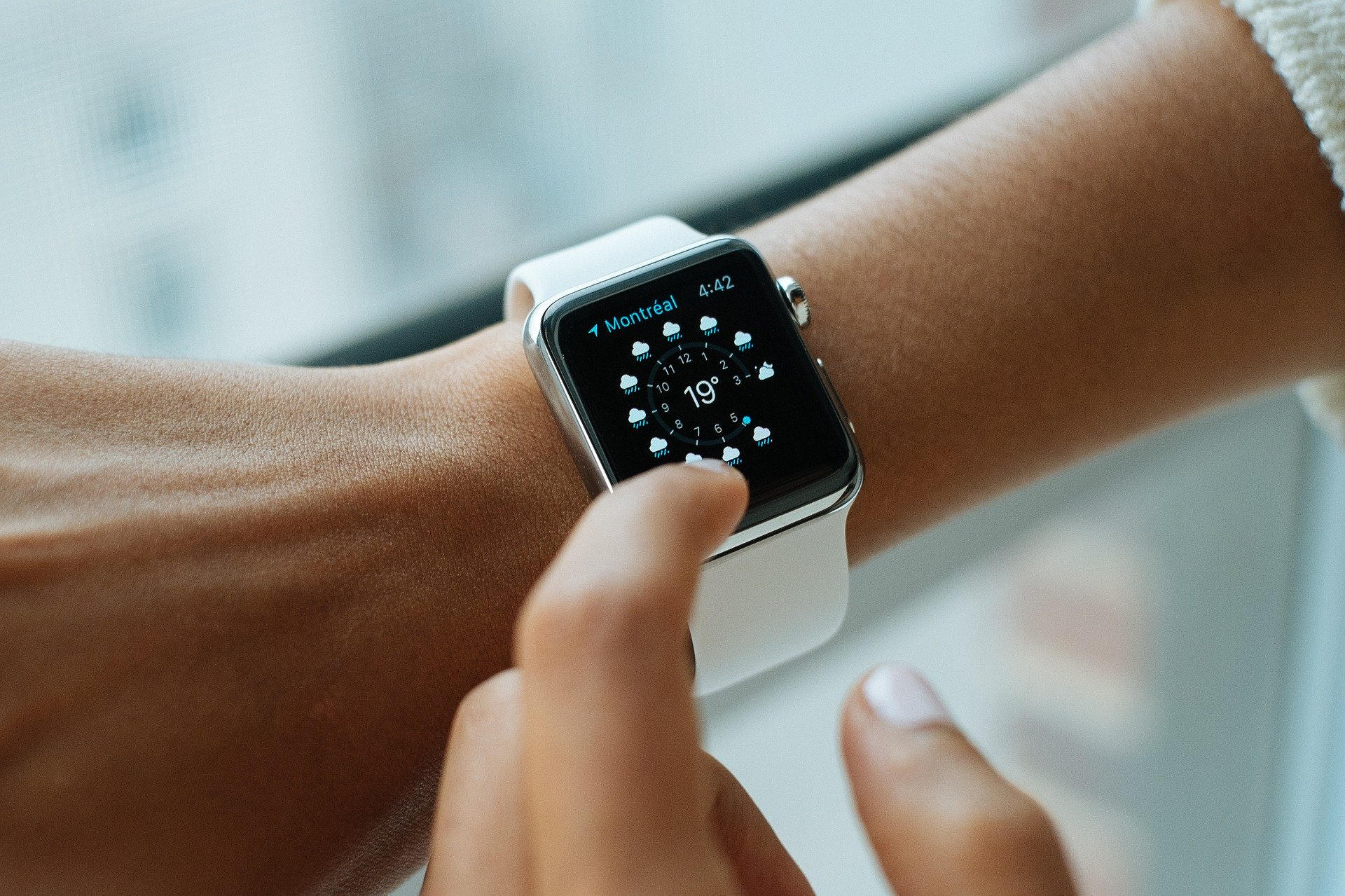
They include: • A smart watch for kids that allows parents to track them and their activities • SOS band watches for the elderly and vulnerable to make sure they have help when needed • A smart pet tracker that monitors the activities of your pets • Luggage and multi-trackers that let you know the whereabouts of your luggage, backpack, laptop and other valuables when travelling • Smart alarms and detectors for your home to notify you of emergencies and keep your family safe • Smart lighting that allows you to control the lights in your home via an application, offering you comfort and helping you save energy
Once integrated with the cloud, these devices are manageable through a single mobile app that allows customers to access one centralised source of information about their devices and deliver commands. Thanks to its unique offering, the consumer IoT programme has seen growing sales – as well as rising numbers of onboarded devices. The programme still has a lot to give, and we (along with our client) are closely monitoring IoT start-up innovations to keep pace with developments and onboard exciting new devices.
It’s tempting to think that the sales process ends when a customer makes a purchase. However, it’s vital for firms to show the value they can provide after the sale is completed. After all, customers will have just been through a whole process to choose a supplier, so they’ll be keen to see what other products are on offer.
This is where recommendation engines come in. Using technologies like AI and machine learning, they analyse customer data to build accurate, individualised profiles of the people making purchases. Customers see a targeted selection of relevant products they might be interested in – making it easier to find what they need and buy it. Companies gain a wealth of insight that ultimately increases the likelihood of future sales.
With the customer data collected from these profiles, companies can build a picture of the content and solutions a specific customer requires – making it easier for sales advisors to recommend the products that meet those needs. Intelligent product recommendation also allows for natural, logical upsell and cross-sell opportunities. Clients, through their behaviour and history, demonstrate interest – and the product recommendation tool automatically pairs that behaviour with the right suggestions.
Small transactions become larger ones, with an increase in average basket size, and clients who might not have been on the path to making a purchase suddenly find themselves interested in doing so. As an example of how powerful this can be, an Accenture report highlighted how 91% of consumers are more likely to shop with brands who recognize, remember, and provide relevant offers and recommendations.
/What we delivered
To begin with, the Invenica team implemented and trained a machine learning model to predict the products and services that any given customer is most likely to purchase. It did this based on: /// The customer’s profile (and related behaviour) /// Previous purchases /// History and behaviour of similar customers in the same market This reduced the processing time and fed data into an unsupervised learning engine clustering algorithm that Invenica used as a recommendation seller.
/What we delivered
The outcome was an engine that provided sales and marketing teams with the ability to design campaigns and target a list of recommended customers for each product or service. It also supported customer-facing assets, specifically the upselling of products to website users. This allowed the business to use the technology across multiple channels (including ecommerce, in-store, and SMS), while keeping the core of the data intact – an important element that delivered enhanced learning from both approaches.
With the prototype working, Invenica launched it within an initial market by optimising the machine learning models and integrating them with real-time customer data. This included creating views to extract insight for campaigns, working closely with the commercial and technical teams to integrate the engine with existing channels, and exploring potential new channels like RCS and sponsored social content.
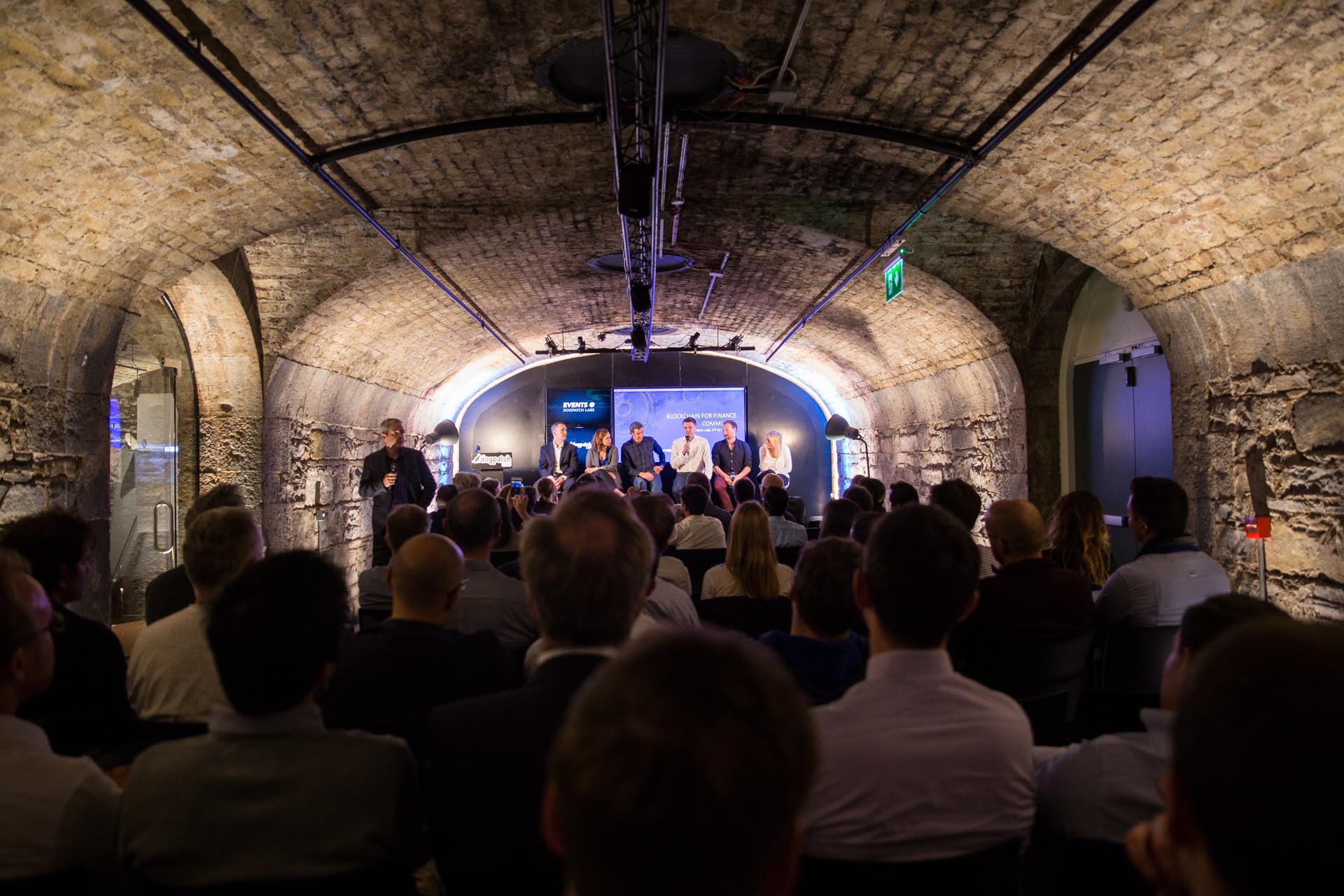
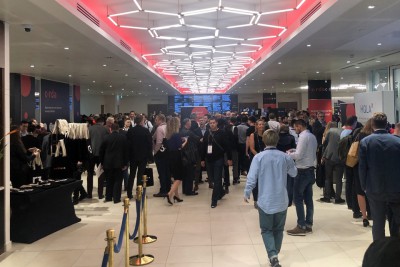
Welcome to our Blockchain Connect Dublin showcase – a day of talks, demos and networking with the industry’s leading innovators. The event was hosted on 5th March at Dogpatch labs, in the heart of Dublin’s tech innovation district – attendees could visit physically or tune in online across the event.
Our CEO Gareth Mee highlighted how blockchain is transforming industry, alongside industry leaders from Vodafone, VT-IoT, dxc, R3 and WIA. This discussion featured real products, use cases listen to our expert webinar focusing on ‘Smart Cities: The facts of IoT and blockchain’.
Smart Cities: The Facts of IoT & Blockchain Webinar
Blockchain Connect Dublin
This webinar included a panel of industry experts from across the market, discussing how firms are preparing to capture the opportunities of Smart Cities. Delving into the real-life applications of Blockchain & IoT technology, what products and services are leading the way, and where is the smart money being invested.
Separating the fact from the fiction with perspectives from businesses, governments, developers & systems integrators discussing what it means for Smart Citizens and the environments we live and work in.
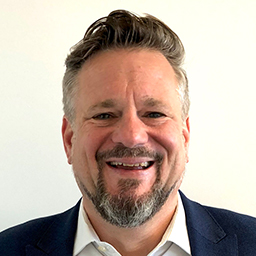
Gareth Mee is responsible for the growth and strategic direction of Invenica, a specialist software services business. He is currently working extensively within the emerging technologies space covering AI, Blockchain, Chatbots and Conversational Language, with experience in enterprise integration, mobility and UX – delivering mission critical solutions and complex enterprise projects.
David Palmer has worked in the IoT sector for 10 years and has been instrumental in the Vodafone Business assessment and exploration of blockchain technology and its potential to add value in the IoT eco-system.
Thomas Spencer is responsible is responsible for business development, partnerships, and strategy to support CSPs delivering the future of blockchain on Corda. Leading the industry effort by setting our sector strategy, engaging with partners developing CorDapps, building relationships with CSPs and expanding the R3 Corda brand across the CSP/Telecoms sector.
Monty Munford has been keynote speaker/emcee/panellist/moderator/interviewer who has spoken at more than 200 tech events around the world, focusing on technology change;, good and bad.He has also interviewed on stage leading icons such as Kim Kardashian, Steve Wozniak, Gary Vaynerchuk, John McAfee, Brock Pierce, Brian Solis and many others.He was previously a weekly tech columnist for Forbes in New York, the Telegraph in the UK and continues to write regularly for the BBC and The Economist. He is also the founder of tech consultancy Mob76 that helps leading companies raise their profile and he publishes a Google News-verified blog, Mob76 Outlook, which has more than 110,000 unique visitors per month.
"Operators share a common objective, they want to improve the operational efficiency, reduce the cost, and eliminate fraud - DLT will help them to do all these things."
Gareth Mee, CEO, Invenica
"Uber are about to start offering financial services to their customers. This is an example of financial services being poured into each of the verticals and I think from a telco perspective, they are very much l at the forefront of that, will be able to have a billing circuit with most of the population."
Welcome to our CordaCon 2019 - The Download'- Telco Podcast
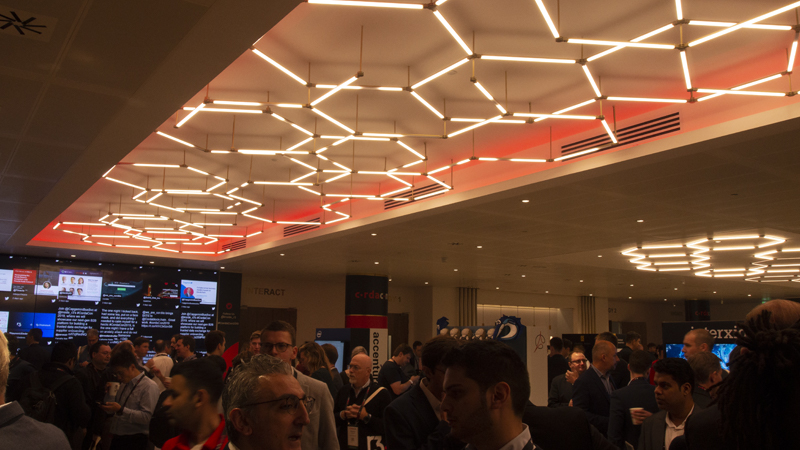
R3’s flagship conference CordaCon2019 is brought together by over 800 industry leaders, technologists, and Corda enthusiasts to look at key trends in blockchain and the latest applications built on Corda.
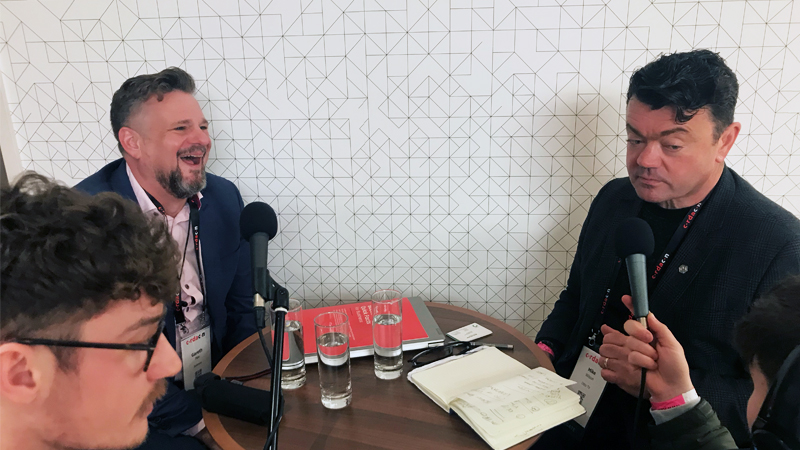
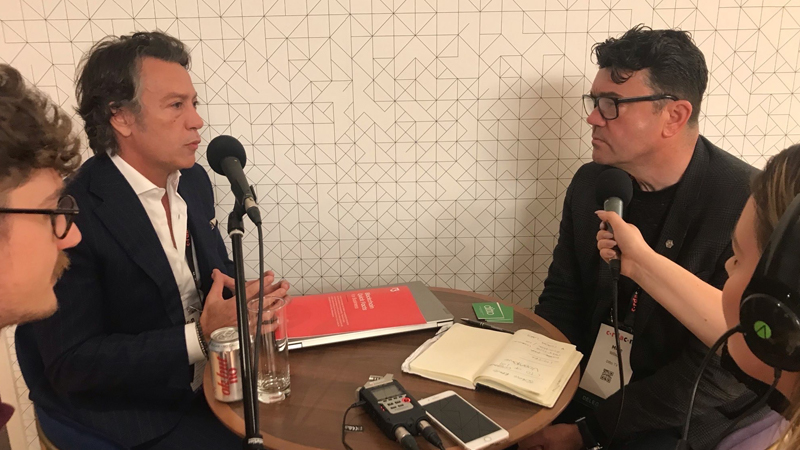
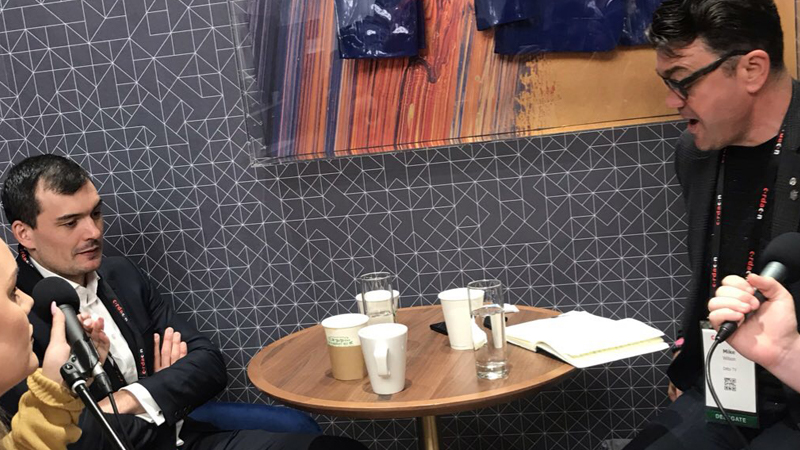
Welcome to our telco special bringing you a live podcast recorded at CordaCon. In this podcast we are joined by R3 Business Development Director & Telecom Lead Thomas Spencer who shares how firms are using corda and blockchain as a digital enabler to drive new revenue streams. We hear Jorge Bento, CTO of Enterprise IOT at Vodafone discuss DLT, 5G and the emergence of smart cities, buildings and intelligent networks. Our CEO at Invenica Gareth Mee identifies the key drivers of adoption of DLT, the use cases that are real and scaling, and the top trends as we head towards 2020, into a new decade.
Introducing our Panellists
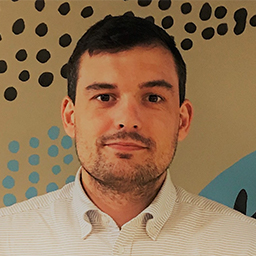
Thomas Spencer is responsible is responsible for business development, partnerships, and strategy to support CSPs delivering the future of blockchain on Corda. Leading the industry effort by setting our sector strategy, engaging with partners developing CorDapps, building relationships with CSPs and expanding the R3 Corda brand across the CSP/Telecoms sector.
Gareth Mee is responsible for the growth and strategic direction of Invenica, a specialist software services business. He is currently working extensively within the emerging technologies space covering AI, Blockchain, Chatbots and Conversational Language, with experience in enterprise integration, mobility and UX – delivering mission critical solutions and complex enterprise projects.
Thomas Spencer,
Business Dev Telco Lead
Gareth Mee,
CEO
Jorge Bento,
Global Head IoT
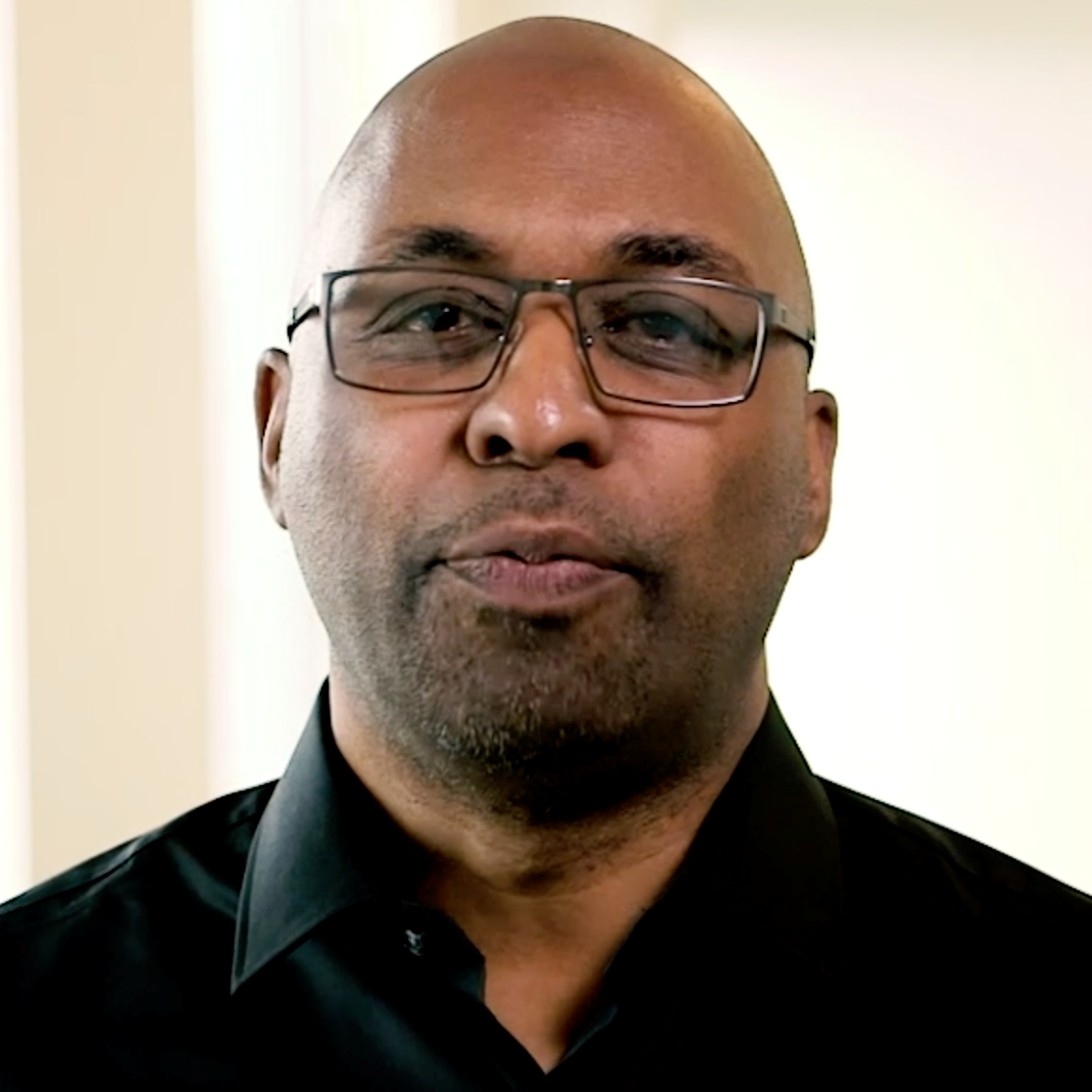
Jorge Bento has been leading Vodafone Business’ technology practice for IoT over 6 years. Jorge leads Vodafone Group’s overall IoT Technology Strategy, Product Management, Engineering and Innovation. Jorge works primarily with Vodafone Business stakeholders, large corporate customers who have a variety of different IoT services globally; and Vodafone’s strategic partners to enable joint go-to-market propositions. Jorge is responsible of defining and delivering world-wide IoT platforms and solutions for 1000+ large corporate customers and other communications service provides, working internally with pre-sales, sales and various operational functions. This covers a variety of different business sectors, from Automotive where Vodafone lead the market, to Insurance, Logistics, Healthcare, Energy and Utilities, and more.
Press Play and Discover the Possible
"Operators share a common objective, they want to improve the operational efficiency, reduce the cost, and eliminate fraud - DLT will help them to do all these things."
Gareth Mee, CEO, Invenica
"Uber are about to start offering financial services to their customers. This is an example of financial services being poured into each of the verticals and I think from a telco perspective, they are very much l at the forefront of that, will be able to have a billing circuit with most of the population."
Hot on the heels of R3 CordaCon 2019, we continue the discussion and discover how Blockchain and DLT solutions are being adopted in the Telco industry.
Blockchain innovation & disruption in Media & Telecoms
About this webinar
We were joined by fellow R3 partner LAB577 to discuss and present how cross border payments, IoT, smart contracts and identity management are delivering in the telco industry. In this webinar we take a deeper dive into use cases around how media and telecoms firms are innovating and disrupting with blockchain and DLT.
Our phones are no longer just phones they are our wallet, allowing us to transact and make payments wherever we are. Blockchain is fast becoming the technology that underpins this accessible electronic wallet, making transactions secure, fast and more convenient for the consumer.
Over the past couple years, we’ve seen a rise of telcos becoming banks, notably orange, or major telco’s, trying to transform their offering allowing customers to use them for basic banking features and change the payment carriers. But as more and more telco media firms want that competitive edge, how firms getting ahead with this innovation, to disrupt technology such as blockchain? Give firms the opportunity to offer more secure service to a better privacy of data and enabling fast cross border payments that are compliant.
Introducing our Panellists
Gareth Mee is responsible for the growth and strategic direction of Invenica, a specialist software services business. He is currently working extensively within the emerging technologies space covering AI, Blockchain, Chatbots and Conversational Language, with experience in enterprise integration, mobility and UX – delivering mission critical solutions and complex enterprise projects.
Richard Crook is the Former Head of Emerging Technology at Royal Bank of Scotland where he defined and led their crypto and blockchain strategy since November 2014. Richard has a 20 year career specialising in leading teams to shape and deliver maximum business benefits through technology solutions for the largest financial service institutions. Leading his team of engineers, last year he set up LAB577, a software company co-creating application at the intersect of emerging technology and financial services.
Gareth Mee,
CEO
Richard Crook
CEO and Founder
"Operators share a common objective, they want to improve the operational efficiency, reduce the cost, and eliminate fraud - DLT will help them to do all these things."
Gareth Mee, CEO, Invenica
"Uber are about to start offering financial services to their customers. This is an example of financial services being poured into each of the verticals and I think from a telco perspective, they are very much l at the forefront of that, will be able to have a billing circuit with most of the population."
Richard Crook, Director, LAB577
Roaming Settlement & Fraud Reduction: · TM Forum: Blockchain Unleashed · R3, KPMG, Microsoft and TOMIA · Vodafone, Telefonica and Deutsche Telecom Trails · ITW Global Leaders Forum – Communication Blockchain Network
Identity and Digital Communities:
· Blockchain Unleashed – BT, Globe Telecom, KDDI, Optus, Orange, Singtel, Telefónica, Ultrafast Fiber and Vodafone · Next Identity Platform – T-Mobile US · Mobile Authentication Taskforce – AT&T, Sprint, Verizon and T-Mobile · Communities and FS – Libra, Rakuten, Walmart
Billing Circuit
Uber announces a push into financial services • The car ride company reveals plans for a new division called Uber Money, this includes a digital wallet and upgraded debit & credit cards • Aims to give over 4 million uber drivers & couriers around the world access to a mobile bank account so they can get paid after each ride • Consumer bank accounts could also be offered on the platform according to Peter Hazlehurst, Head of Uber Money
Blockchain in the Supply Chain
Daimler, Dürr, LBBW execute pilot trade finance transaction deal on Marco Poloblockchain network • LBBW is Germany’s biggest state-backed Landesbank lender as of 2018. It is also a founding member of Marco Polo blockchain trade finance network currently has 23 members, including Bank of America and technology partner TradeIX • The transaction involved the order and delivery agreement for a balancing system from Dürr subsidiary Schenck via the Marco Polo with LBBW providing the financing and payment on behalf of Daimler
For more information, or for any topics you would like to discuss on this webinar, please get in touch with Invenica and LAB577 online, LinkedIn or start a conversation directly through email.
As we are fast approaching a new decade we spoke to Gareth Mee, CEO at invenica discussing Blockchain innovation & disruption in Media & Telecoms. In this podcast we touch upon the exciting projects revealed this year and explore how telcos can harness the potential of DLT in 2020.
Invenica is a systems integrator specializing in emerging technology, with 15 years heritage developing enterprise-grade applications for both business to business and business to consumer in large corporations, helping them solve their business problems and challenges with emerging tech.
We have a very heavy presence in media and Telecom. Invenica have been helping the media and telecom industry implement new products and services, streamline and improve their operations for many years now, from launching the first radio streaming music service across Europe, to onboarding OTT providers and allowing telcos to charge to bill.
What exciting projects have you seen in telcos and other industries using emerging technology?
There’s some interesting things that are going on in the media and telco world surrounding emerging tech right now. We’ve all seen the operators pushing 5G to the consumer and that opens up a world of opportunity in terms of rich media communications, gaming, films etc. Operators will continue to push that technology.
I think you can split these things into technology that we can use to help the operational efficiency of the business. We are advising and implementing automation around processes, a typical example of this would be in the customer service space where we’re trying to implement omni-channel Virtual Assistants to automate customer service and conversational AI that will allow companies to do that efficiently. Reducing operational cost and allowing your workforce to complement the Machine and to improve and provide a rich and improve service for your customers.
Distributed ledger technology (DLT) and blockchain is an interesting space and there’s many POCs taking place across the telco industry. Right now, I think that the media and telco industry are trying to work out what the best use cases are and we’re helping our customers identify those, and again you can split those into business support projects or operational support projects and customer facing products and service. On the operational side then there’s the you know the liquidity is important important to any telco carrier so automated financial reconciliation using blockchain is a very strong use case this could be as simple as automating the financial reconciliation for your ATT providers or taking that step further it could be crossed across border roaming between operators and there’s a lot of work going on in terms of exploration in that area.
Taking it further taking it to the product and service side, we’re doing working there with a particular operator arraigned identity and how you might monetize identity in KYC by collaborating with other partners. If you think about the telco, then it’s in a privileged position in terms of the information and data that holds on on individuals and consumers. In the future you will see the consumer owning their own identity and choosing which services that they wish to be provided with and as part of that process that will be kyc process we’re partners collaborate over a blockchain to identify and then provision the consumer with the service so I think if you look at that then it’s an extension of what the telcos will already do it from an OTT basis you may take that one step further and maybe in the future working with digital communities with with digital asset or digital currency where consumers can access whatever service they want through collaboration partners as an example.
There is a bigger topic around business models of the future you, for many many years there’s been a debate about the merge of banking in telcos. We’ve already seen this is an existence or in Orange is running a very successful banking in France, there are opportunities to take this a step further with the digital currency and we’ve seen some collaborating collaborations exploring this for example so not only are you creating a digital community where your users can procure services from a collaboration of partners, but essentially you could allow a digital currency to enable transaction trading within that community.
Why are telcos poised to harness the power of emerging tech and how are telcos working in partnership with other sectors, such as financial services?
Leading on from the discussion we’re having around telco and banking then there are some key points to elaborate on. Obviously the telcos are in a unique position because it knows where you are and essentially it knows what you’re doing, so if you combine that with the financial risk profile then you have the ability to provide a proactive and personalised service to any one consumer, making it around financial planning financial wellness alongside the promotion of the right products and services for them, so that’s just an extension of that particular use case or conversation.
Banking in telco is essentially nothing new, if you look at Africa then you know we’ve had mobile money for some time and interestingly enough; in the regions where Mobile Money has been most successful, for example Kenya, is where the telco has been responsible for that service and promoted that service. In other countries such as Nigeria, it’s the banks that have done it. But the telcos are more digitally aware or mature, and that enables them to provide or produce a better service.
So mobile money and pays is nothing new, but right now that works with the banks underwriting it., so you have to have a bank account. But if you think about the amount of people, not just in the developing world but in the UK and Europe, then you know there’s a lot of people that are what we would call un bankable, don’t have bank accounts. Explore that use case, or business model further, there an opportunity for telcos to offer consumers the unbankable a bank service that is underwritten by a digital currency. I know we’ve had that conversation with other partners and some customers it’s an ongoing debate, it maybe some time away but certainly we’re having some more conversations that will be available, some webinars and some physical events and certainly some of these use cases and topics arraigned DLT and currency that we’re going to be talking about in the coming months.
Can you share use cases around data transfer and security?
There are other things that are happening, from an innovation perspective we talked about security and there are use cases that we discussed around 5G and securtising cross-border data and there are use cases that are being explored for DLT and blockchain.
Those are certainly being explored right now going back to the location; we talked about location in reference to offering a personalized financial service potentially consumers but there’s other use cases there as well. Looking at security, the telco has data about what are you doing where, so it can build up patterns of your use consumption around a particular device or phone and that is useful, for example in families where you might spot an irregular pattern of use, maybe for one of your siblings or children and that’s quite important from a security perspective. There’s also a business use case for managing the consumption of certain types of data; I’ve seen some very interesting technology, recently from some business-to-business MVO players where they cannot they can split down content into categories and even further into individual sites that people are using.There’s lots going on with both the bigger picture and the future operating business model which will continually be discussed for a telco finance and treasury perspective. Then there’s conversations about how can we release capital, because capital is king for the telco and you know, is the answer to that tokenizing in providing digital digital assets to do that arrange roaming on financial reconciliation area partners?
How is emerging tech helping to achieve better customer service?
Obviously what’s going on in the more immediate landscape today you know around new products and services being provided by 5G and the ability that that new network bandwidth gives to media and telco providers to provide richer services for their consumers, and of course then touching on the operational businesses support side of your business.
I think I talked about the savings that the automation AI would drive and we use the customer service explain or example but it’s not just about operational savings it’s about improved customer service so if I call into a contact center and the first thing I hear is ‘hello how may I help you’, my call has been answered for the first time, I’m not in it I’m not in a DTMF queue where I’m being asked to press one two three four for. I talk to the virtual agent as though I talk to a human being, and for 70% of common use cases the virtual agent can resolve my query but in whatever communication style I choose whether that’s voice whether that’s messenger whether that’s SMS and ultimately we’re talking about improved customer service and therefore improved customer retention. That’s imperative for the telco, in many cases in many parts of the world that there’s volumes of calls that don’t even get answered and called drop-off so this in its very essence improve it means that that first step of customer service is achieved.
What is on the horizon for Invenica operating in the DLT space?
I’m going to come back to DLT because that’s gonna be a specific focus of ours for the coming months. Talking specifically about use cases within the media and telco industry and we will
be doing webinar and white paper later in the year on that topic. It’s interesting because everyone’s trying to work out the best use, there’s many different pilots and proof of concepts going on and across the industry and very exciting ones, it’s an interesting time. DLT will be a significant disrupting technology and we talked about DLT because it is not just blockchain, there’s many platform providers out there that are producing some pretty good tech tech platforms.
I think no one really knows what the predominant technology platform will be in the future and it’s very important that you make the right choice in terms of platform or or indeed you you ensure that that platform is interchangeable in the future. I’ve read some interesting reports recently so I can’t claim this is my own my own thinking, but it’s certainly right, you know DLC is not an out of the box product so unlike 5G which is an increase in bandwidth which relations to do some really exciting things for the consumer and business to business applications. With IOT and edge computing, the application is DLT that businesses are using to try and solve certain use cases, it’s trying to pick the most or the best use case for your business and then underlying that the best DLT team for that typical use case.
This is where Invenica is investing a lot of time advising customers, not just in isolation, we’re collaborating with our partners to do that. The whole concept of blockchain or DLT is about collaboration between business partners and that should certainly be the same with the technology and the application of the technology, so it’s not just Invenica talking when we’re talking, we’re talking in consultation and in collaboration with our partners and we’ll be doing more of that in the future.