
Smart Cities & Smart Citizens Insights
Welcome to our Smart Cities & Smart Citizens Exploring 5G, IoT and the Connected World
Do we need a new vision for Smart Cities?
Whether people are ready or not, Smart Cities are here. The demand for the technology behind their development is already huge and will only keep growing. A report from PwC predicts that the global Smart City market will hit an annual growth rate of 23% by 2024, reaching a value in excess of $2tn (PwC, 2019). But what does it mean for the people living in these urban areas? Our whole notion of what Smart Cities represent is being challenged. We thought it would revolve around the ideas of connectivity, convenience, and access. Co-working spaces, better transport, and linked services are all hallmarks of what our IoT-connected cities can deliver. For the people we share our cities with – as well as the infrastructure required to deliver everything we may once have taken for granted. This is making us re-examine the relationship we have as citizens with every organisation we interact with – especially the firms and businesses we work with. So, what does this mean for Smart Cities – a concept that will touch on every area of our lives?
Building Smart Cities Around the People
Ultimately, the aim of any Smart City is to enrich the lives of its citizens – whether through better services or the creation of inclusive, healthy environments. That’s why any organisation involved in creating Smart Cities must look beyond siloed solutions for bikes, bins, and benches to develop systems that make a real difference to Smart Citizens.
After all, if the essence of urban development is individual action, a city can only be as smart as its citizens (Forbes, 2019). In this way, outcomes will be hugely important in Smart Cities – including the ability to measure how our cities empower the new Smart Citizens to improve their rights, wellbeing, health, security, and prosperity. Demonstrating the power citizens will have to shape new ways of life will be vital.
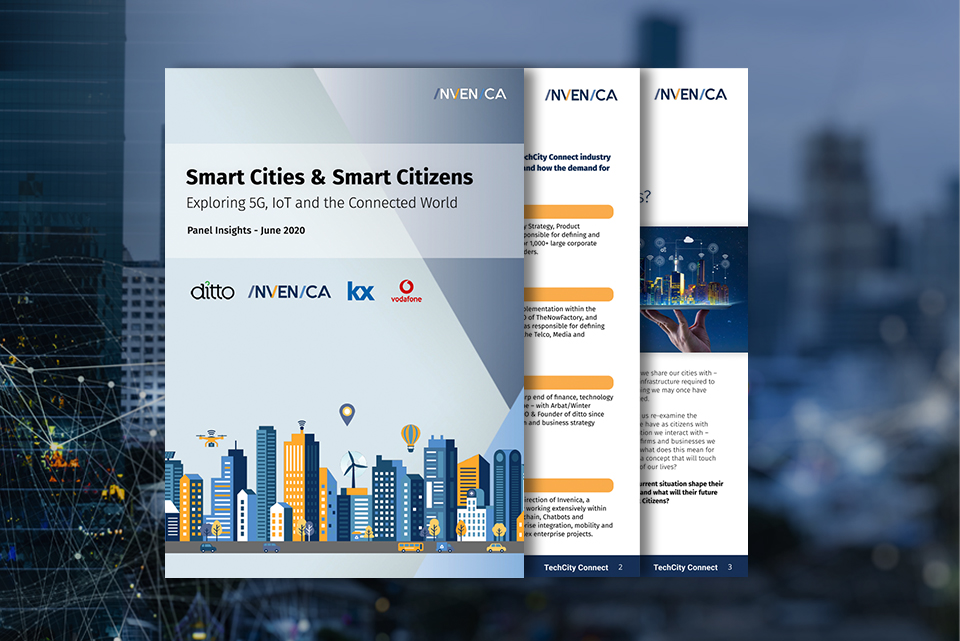
Find out more on our panel insights and discussions
"Operators share a common objective, they want to improve the operational efficiency, reduce the cost, and eliminate fraud - DLT will help them to do all these things."
Gareth Mee, CEO, Invenica
"Uber are about to start offering financial services to their customers. This is an example of financial services being poured into each of the verticals and I think from a telco perspective, they are very much l at the forefront of that, will be able to have a billing circuit with most of the population."
Richard Crook, Director, LAB577
Blockchain FAQs
What is the technology and why is it valuable?
Blockchain technology offers transformative improvements for identity management. A central characteristic of Blockchain technology is its distributed, decentralised structure – obviating the need for third-party management. Blockchain is powering a personal data revolution. Relying on physical identity documents in an ever-growing digital age is outdated, cumbersome and expensive, but also increases the risk of fraud, hacking and spoofing. Events relating to the use of customer data for identification purposes can be stored on the Blockchain.
What does it mean for the user?
With so much of our life and commerce on-line the current methods of handling identity, usernames, passwords, authentication and user verification is error prone. Blockchain technology has established a new paradigm for handling digital identities – self-managed identity. Self-managed identity allows customers to create and manage their own identity, removing the need for a central repository. This new, digital concept using decentralisation and public key cryptography to give individuals control over their data. When implemented correctly, it can provide flexibility, scalability, security and consensual interactions. For the customer, this means they can transact in a frictionless, trusted, yet private manner. Identity management can also offer increased data privacy, identity is held on the user’s devices and is shared directly with products and services when required.
Our “Discover the Possible” series explores the challenges and opportunities of across the emerging technology landscape. “Discover the Possible” separates the fact from the fiction, translating the buzz words and jargon into simple plain language, and analysing real business use cases. The Invenica team collaborate with clients, partners and subject matter experts to produce White Papers, Webinars and Industry Articles to spark discussion and debate across the markets.
Meet The Disruptors - Delivering Innovation


Meet The Disruptors – Delivering Innovation
Invenica recently hosted a series of online sessions at Meet The Disruptors, two days of digital events designed to showcase the future of fintech. Providing a showcase of emerging technology and business change, the Invenica team was joined by guests from Concord, Siemens and Vodafone.
Across three sessions – Meet The Team, In The Market and In Action – experts from all four firms discussed the business and technology drivers of Big Data, AI, user experience and automation. Their insights highlighted how businesses are finding ways to harness breakthrough innovation to tackle their biggest challenges.
All three panels featured a wealth of knowledge and experience, offering attendees a unique perspective on the world of emerging technology. And, whether you could make the event or not, there’s no reason to miss out. You can replay or catch up on all the Invenica sessions at your leisure below.
Delivering Innovation: Telco, Commodities & Trading - an industry showcase
Meet The Team
Invenica has deep experience spanning nearly two decades of providing technology consulting, systems integration and technology innovation; dedicated to solving difficult problems for customers. During this session, Gareth Mee, CEO of Invenica, and Moustafa Bounasser, CTO, shared their insights on how Invenica is working with clients to drive innovation and discover the possible.
- Gareth Mee, CEO - Invenica
- Moustafa Bounasser, CTO - Invenica
- Mike Wilson, CEO & Founder - ditto
In The Market
Invenica helps clients in the Commodities & Trading sector to adapt and take advantage of technology across their business workflows. This session, featuring panellists from Concord and Siemens, explored how we enable businesses to handle transformation, regulation and automation – without the cost of having to scale up their IT resources.
- Moustafa Bounasser, CTO - Invenica
- Barry Gould, CTO - ConCord
- Nadja Haakansson, MD Region Africa - Siemens
- Michael Imeson, Senior Content Editor, Financial Times (Moderator)
In Action
In this session, Gareth Mee, CEO of Invenica, was joined by David Palmer, Blockchain Lead IoT for Vodafone. They explored how telcos can go beyond the edge to explore decentralised digital identities, digital communities, adaptive cybersecurity, Internet of Things products and enhanced customer experience.
- Gareth Mee, CEO - Invenica
- David Palmer, Blockchain Lead for IoT - Vodafone
“We have been innovating for our customers for over a decade – using new technologies, new methods and processes to build new applications or customise and enhance existing systems – we are exceptionally proud of our delivery and the time and money we save or partners. Our ambition is simple – to continue innovating and to be recognised as a market leader for emerging technology development and systems integration.”
Gareth Mee, CEO, Invenica
“We simplify and accelerate digital transformation for our customers through innovation. Our ambition is to be a strategic trusted IT partner that contributes to the success of your organisation”
Moustafa Bounasser, CTO, Invenica
About our Speakers

NADJA HAAKANSSON - Managing Director Region Africa, Siemens
Nadja is an Energy leader from Sweden who has international experience and previously led the Power Generation Service organisation in Thailand. She is currently the Regional Director of Gas & Power Services for Distributed Generation and O&G for Africa, and also CEO of the Siemens Energy business in Morocco.
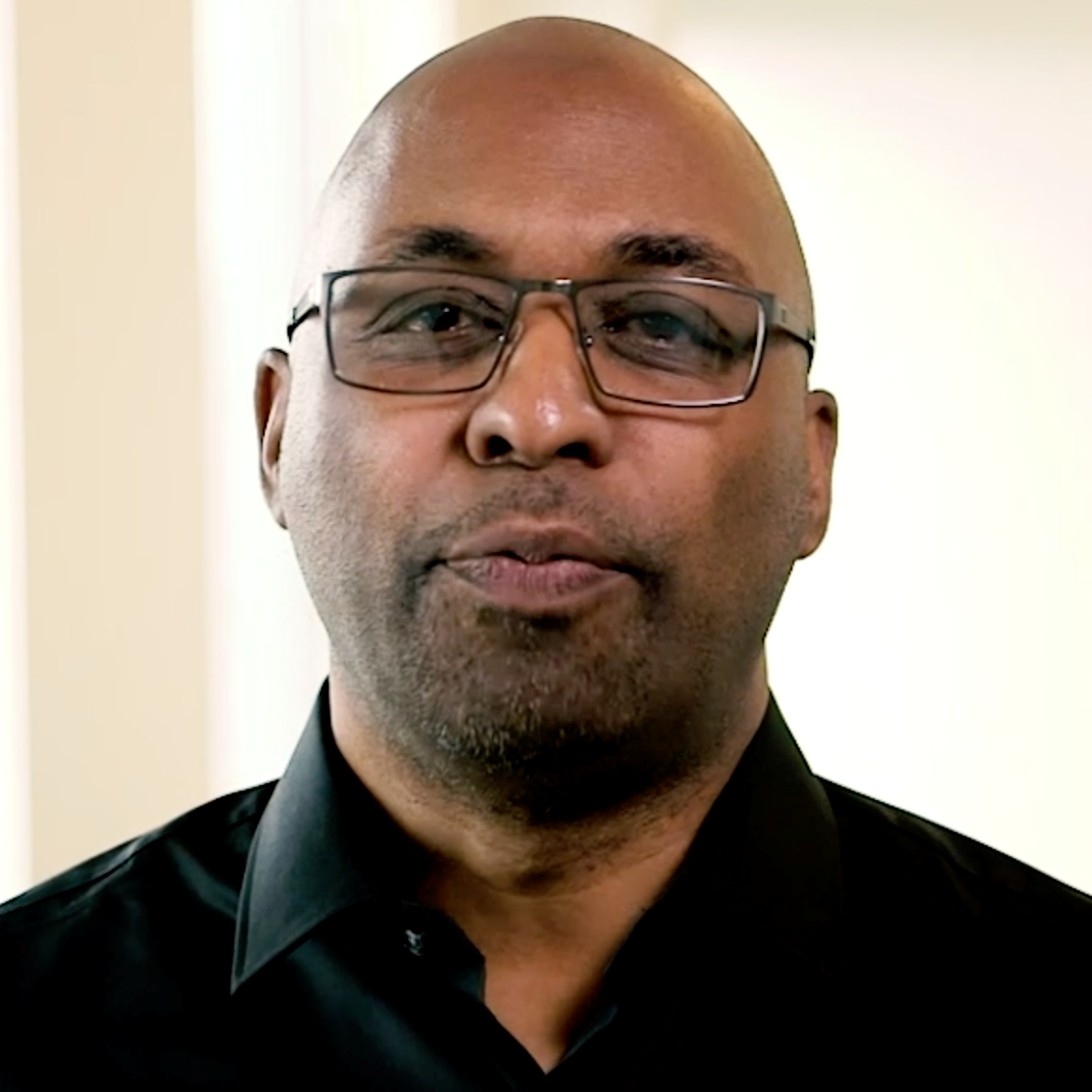
DAVID PALMER - Blockchain Lead for IoT, Vodafone
David has worked in the IoT sector for 10 years and has been instrumental in the Vodafone Business assessment and exploration of blockchain technology and its potential to add value in the IoT eco-system.
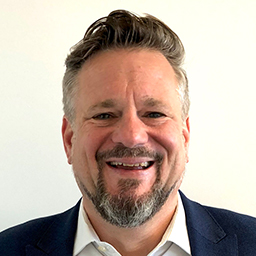
GARETH MEE - CEO, Invenica
Gareth Mee is responsible for the growth and strategic direction of Invenica, a specialist software services business. He is currently working extensively within the emerging technologies space covering AI, Blockchain, Chatbots and Conversational Language, with experience in enterprise integration, mobility and UX – delivering mission critical solutions and complex enterprise projects.
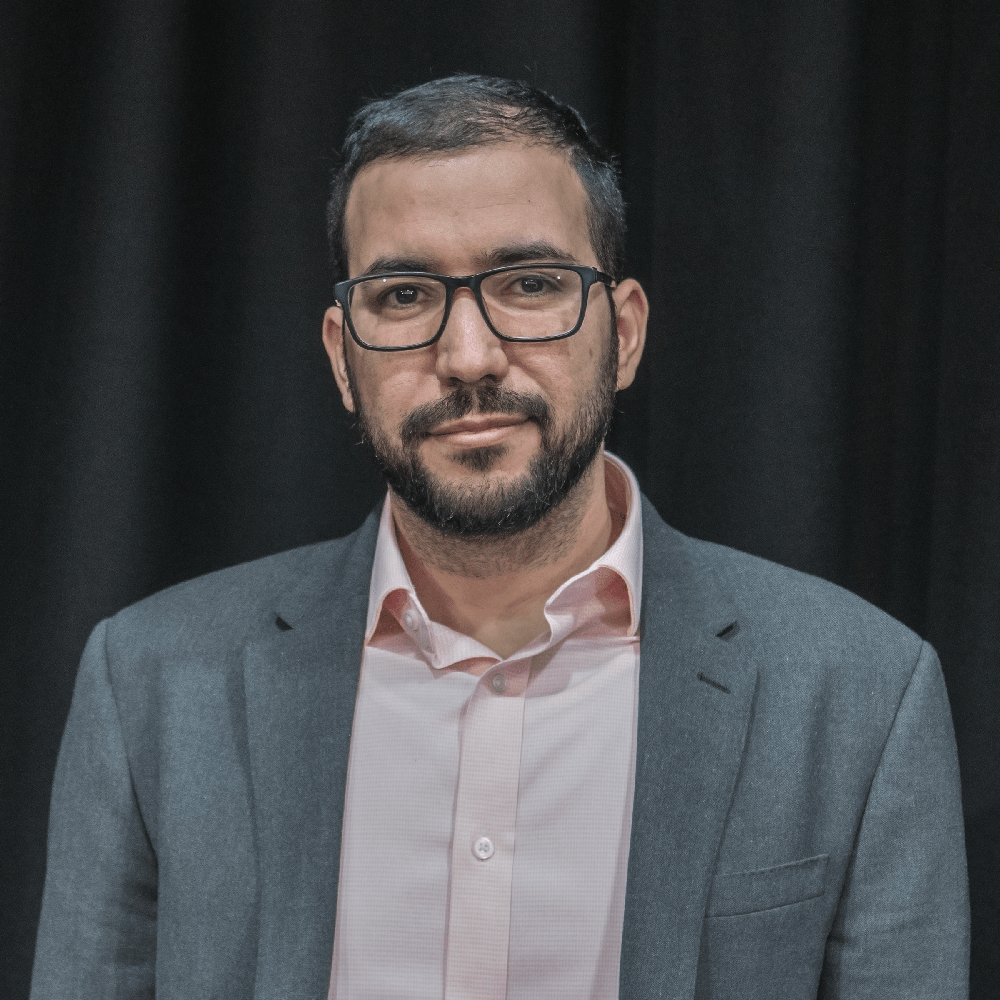
MOUSTAFA BOUNASSER - CTO, Invenica
Moustafa is a Digital Strategist, Innovator & Inventor and an emerging technologies enthusiast with over 12 years’ experience in the information technology sector. He has helped multiple organisations in the UK, Germany, France and Belgium transform their business with innovation, thought leadership and emerging technologies. He has worked in different roles across the IT industry and contributed in creating new capabilities, programmes and initiatives. With extensive experiences across different industries such as financial Services, Manufacturing, Media, telecom and many others, Moustafa combines his in-depth knowledge of technology, and understanding of industry challenges, to create differentiation values and new markets for his clients. Moustafa has several confirmed and pending inventions to his name, leveraging technologies like Blockchain, Artificial Intelligence, Machine learning and IoT, he is involved in the research and development of cutting & bleeding edge technologies like Edge Computing and Quantum Computing.
BARRY GOULD - CTO, Concord
Barry has shown successful transformational leadership, CTO level & 3rd parties, delivering ‘fit for purpose’ IT solutions, IT separation and business change. Highly accomplished, able to design and execute effective IT delivery strategies & technology roadmaps. Experience of driving change management, business transformation, outsourcing, service transition, project strategies, technology roadmaps, business separation, divestments, IT/data migration and business benefit realisation. Technology advisor, experience and due-diligence in areas such as Financial Services, Commodities, Accounts receivable & factoring, Medical and Pensions. Advisor for not for profit organisations as well as investor and mentor for a number of new technology start-ups and accelerators.
Tech City Connect - Smart Cities & Smart Citizens


Smart Cities & Smart Citizens - Exploring 5G, IoT and the connected world
The digital world creates huge opportunities for businesses and people to thrive, but it also presents challenges.
Even with all the technology at our fingertips, it can be tough to stay connected; especially at these difficult times where remote working is more vital than ever.
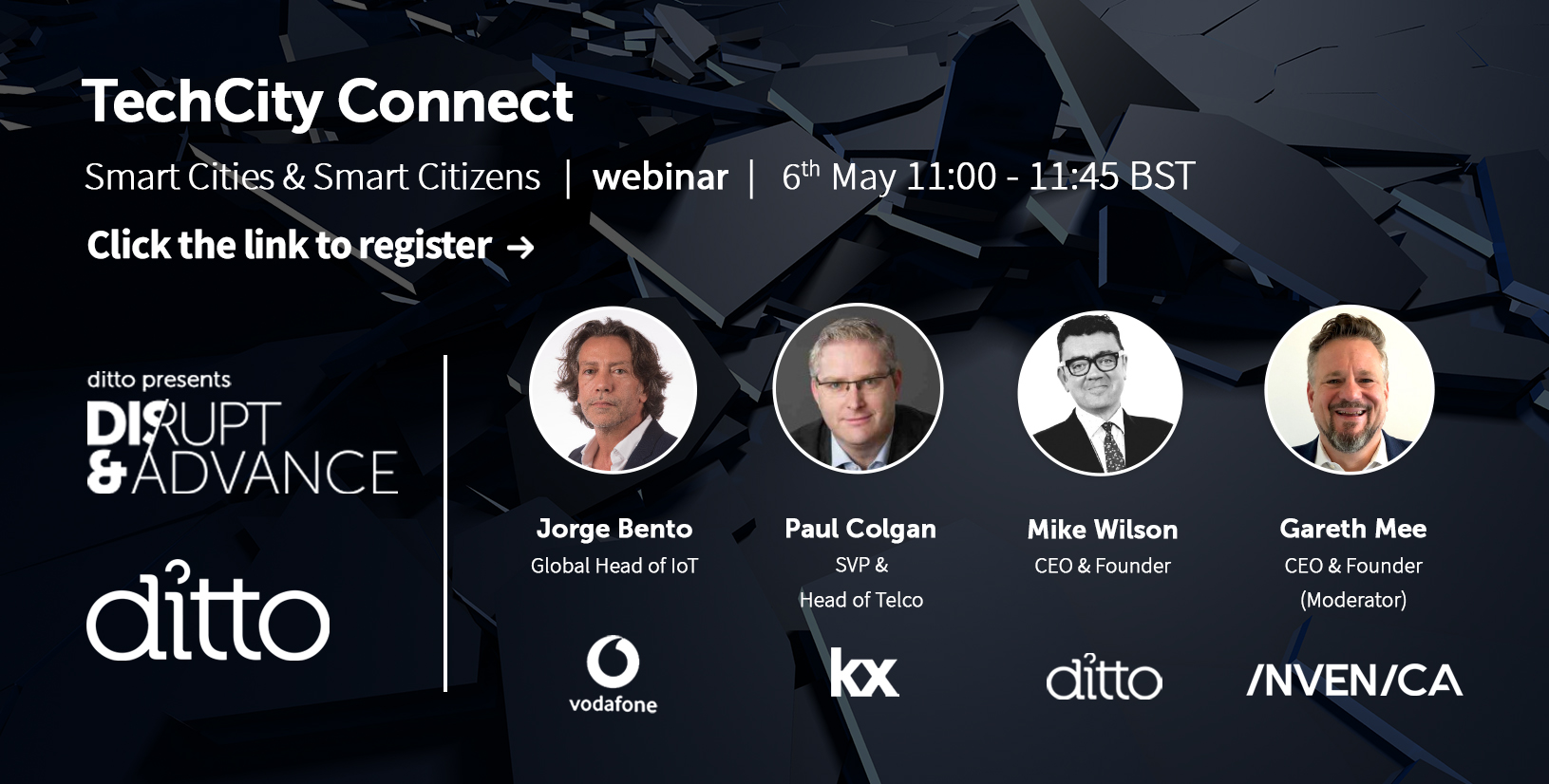
On the 6th May, Invenica took part in TechCity Connect, a day of 12 digital events in Tech, Art & Culture.
As part of this series, our CEO Gareth Mee moderated the Smart Cities & Smart Citizens webinar. He was joined by a panel of experts from Vodafone, Kx and ditto tv to explore the future of digitalisation in urban areas.
Smart Cities: The Facts of IoT & Blockchain Webinar
Our whole notion of what Smart Cities represent is being challenged. We thought it would revolve around the ideas of connectivity, convenience and access. However, we’re currently seeing just how much impact our demand for services has on the people around us – and the infrastructure delivering everything we may have once taken for granted.
In this webinar we discover what will the cities of tomorrow look like – and how will the demand for digital services from citizens drive their development? In this webinar we uncover the daring vision of a digital future, and the technologies that will be vital in realising it.
"Operators share a common objective, they want to improve the operational efficiency, reduce the cost, and eliminate fraud - DLT will help them to do all these things."
Gareth Mee, CEO, Invenica
"Uber are about to start offering financial services to their customers. This is an example of financial services being poured into each of the verticals and I think from a telco perspective, they are very much l at the forefront of that, will be able to have a billing circuit with most of the population."
Richard Crook, Director, LAB577
Are Smart Citizens the Key to Successful Smart Cities?
As part of ditto’s TechCity Connect series, Invenica explored what Smart Cities might look like; how the current crisis will reshape our vision for them, and why Smart Citizens will play a key role in their development.
Do we need a new vision for Smart Cities?
Whether people are ready or not, Smart Cities are here. The demand for the technology behind their development is already huge and will only keep growing. A report from PwC predicts that the global Smart City market will hit an annual growth rate of 23% by 2024, reaching a value in excess of $2tn (PWC, 2019). But what does it mean for the people living in these urban areas?
Today, the whole notion of what Smart Cities represent is being challenged. We thought it would revolve around the ideas of connectivity, convenience and access. Co-working spaces, better transport, and linked services are all
hallmarks of what our IoT-connected cities deliver.
However, we now live in a time where we’re faced with the effect our basic movements can have on the people and communities around us. We’re seeing directly how our demand for services (both public and private) creates actions and consequences for the people we share our cities with – as well as the impact on the infrastructure required to deliver everything we may once have taken for granted.
This is making us re-examine the relationship we have as citizens with every organisation we interact with – especially the firms and businesses we work with and for. So, what does this mean for Smart Cities, a concept that will touch on every area of our lives? How will the current situation shape their development, and what will their future hold for Smart Citizens?

Building Smart Cities around the people
Ultimately, the aim of any Smart City is to enrich the lives of its citizens – whether through better services or the creation of inclusive, healthy environments. That’s why any organisation involved in creating Smart Cities must now look beyond siloed solutions for bikes, bins, and benches, developing connected applications and systems that make a real difference to Smart Citizens. After all, if the essence of urban development is individual action, a city can only be as smart as its citizens (Forbes, 2019).
In this way, outcomes will be hugely important in Smart Cities – including the ability to measure how our cities empower the new smart citizens to improve their rights, wellbeing, health, security, and prosperity. Demonstrating the power citizens will have to shape new ways of life will be essential.
Healthcare is a highly topical example, with the technology behind Smart Cities able to deliver increases in air quality and help reduce carbon dioxide levels – improving public health and reducing demand for healthcare services. As well as freeing up vital resources within the healthcare system, this adds to people’s quality of life – an essential element in building Smart Cities that empower people, rather than creating places they simply exist in.
That’s why the focus needs to be on the people. Smart Cities need to empower their citizens to reimagine their lives – going beyond siloed novelties to create urban areas connected with technology that enables new and frictionless ways of interacting with the people and organisations around them.
Why Smart Cities can’t grow in isolation
Another key question regarding the Smart City is how it connects and engages with other Smart Cities. How do we encourage a shared set of standards, frameworks and applications that allow urban areas to learn from the successes of others? How can it adopt methods and applications to achieve the same outcomes for its own citizens, as well as travelling citizens from other cities? The answer is a Smart City ecosystem that allows interoperability between urban areas.
All of this is part of a wider conversation around Smart Cities and Smart Citizens that’s shifting and reshaping itself. What will the urban areas of tomorrow look like? How will the Smart City vision change, based on the current global situation? And, ultimately, how do they empower Smart Citizens to shape the world they live in?
Our Speaker Bios
-
Gareth Mee is responsible for the growth and strategic direction of Invenica, a specialist software services business. He is currently working extensively within the emerging technologies space covering AI, Blockchain, Chatbots and Conversational Language, with experience in enterprise integration, mobility and UX – delivering mission critical solutions and complex enterprise projects.
-
David Palmer has worked in the IoT sector for 10 years and has been instrumental in the Vodafone Business assessment and exploration of blockchain technology and its potential to add value in the IoT eco-system.
-
Thomas Spencer is responsible is responsible for business development, partnerships, and strategy to support CSPs delivering the future of blockchain on Corda. Leading the industry effort by setting our sector strategy, engaging with partners developing CorDapps, building relationships with CSPs and expanding the R3 Corda brand across the CSP/Telecoms sector.
-
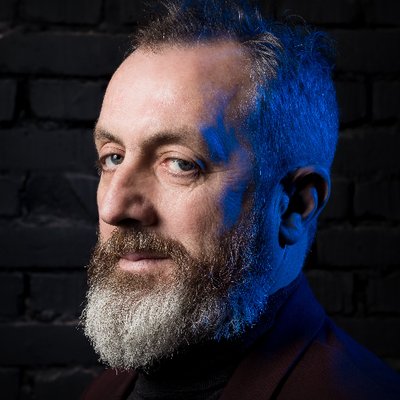
Monty Munford has been keynote speaker/emcee/panellist/moderator/interviewer who has spoken at more than 200 tech events around the world, focusing on technology change;, good and bad.He has also interviewed on stage leading icons such as Kim Kardashian, Steve Wozniak, Gary Vaynerchuk, John McAfee, Brock Pierce, Brian Solis and many others.He was previously a weekly tech columnist for Forbes in New York, the Telegraph in the UK and continues to write regularly for the BBC and The Economist. He is also the founder of tech consultancy Mob76 that helps leading companies raise their profile and he publishes a Google News-verified blog, Mob76 Outlook, which has more than 110,000 unique visitors per month.
Smart Cities: The Facts of IoT & Blockchain Webinar

Answering the big questions on blockchain and Smart Cities
A panel discussion on blockchain and the Internet of Things (IoT) emphasises the need for firms of all shapes, sizes and sectors to collaborate when it comes to creating Smart Cities.
Blockchain, IoT and Smart Cities: Collaboration is the key to realising a huge opportunity
As a society we’re more than used to having technology as a driving force in our lives. From the smartphones we carry around with us to the apps we use to stream entertainment or bank online, we’re no strangers to the digital world. But how will our lives change when Smart Cities built on digital tech become a reality?
Smart Cities are urban areas that use electronic IoT-enabled sensors to collect data – using the insights gained from this information to manage resources and services efficiently. We might see some of this technology in various places already, but the difference with Smart Cities is that they’ll connect all the services we use. This encompasses traffic and transportation systems, power plants, utilities, water supply networks, waste management, crime detection, information systems, schools, libraries, hospitals, and other community services.
It’s set to be a huge shift in how we interact with urban areas, which is why it raises so many big questions. What will be the technology that sits behind Smart Cities? How do we build them? Who will build them? What do they mean for businesses? And what impact will they have on citizens?
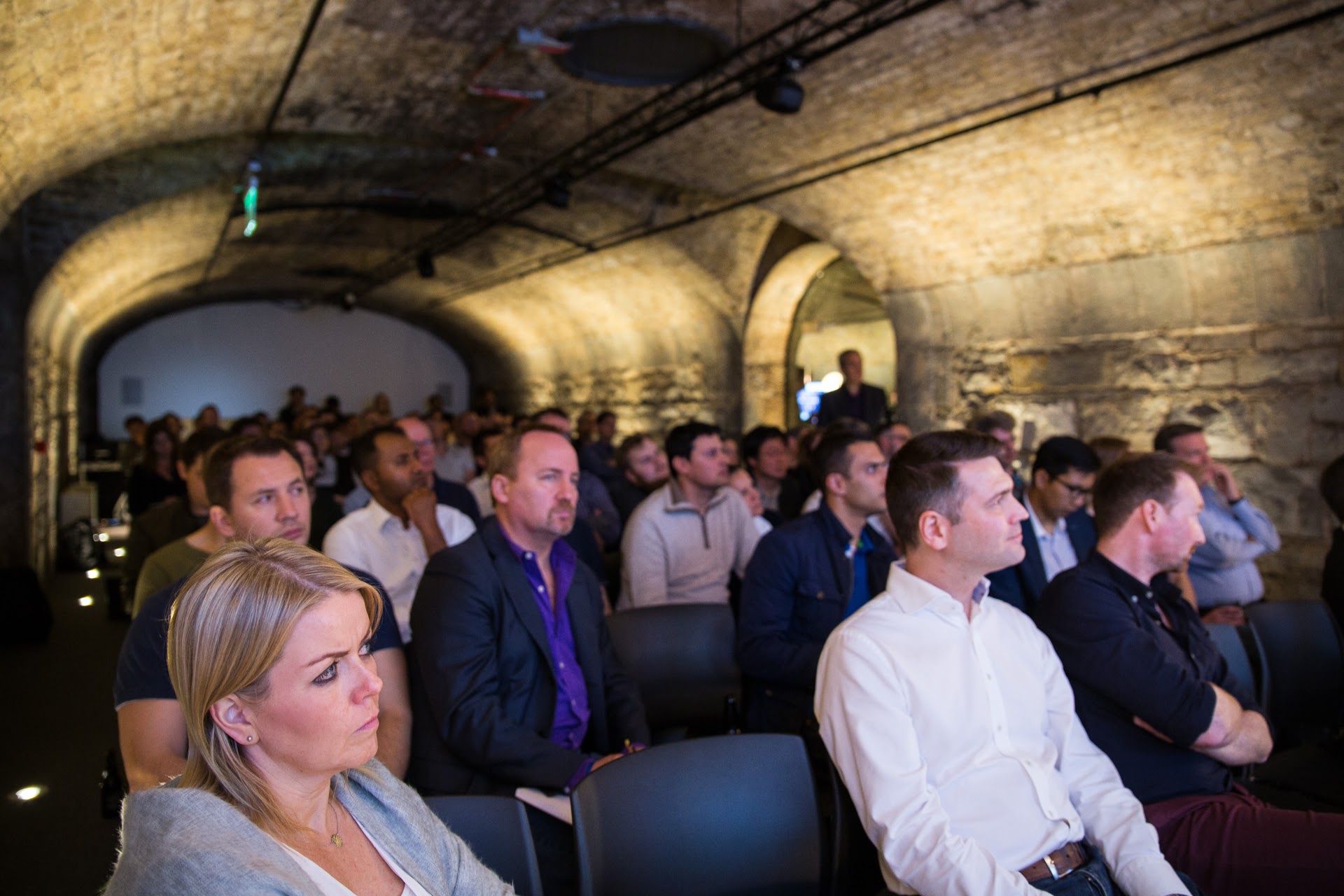
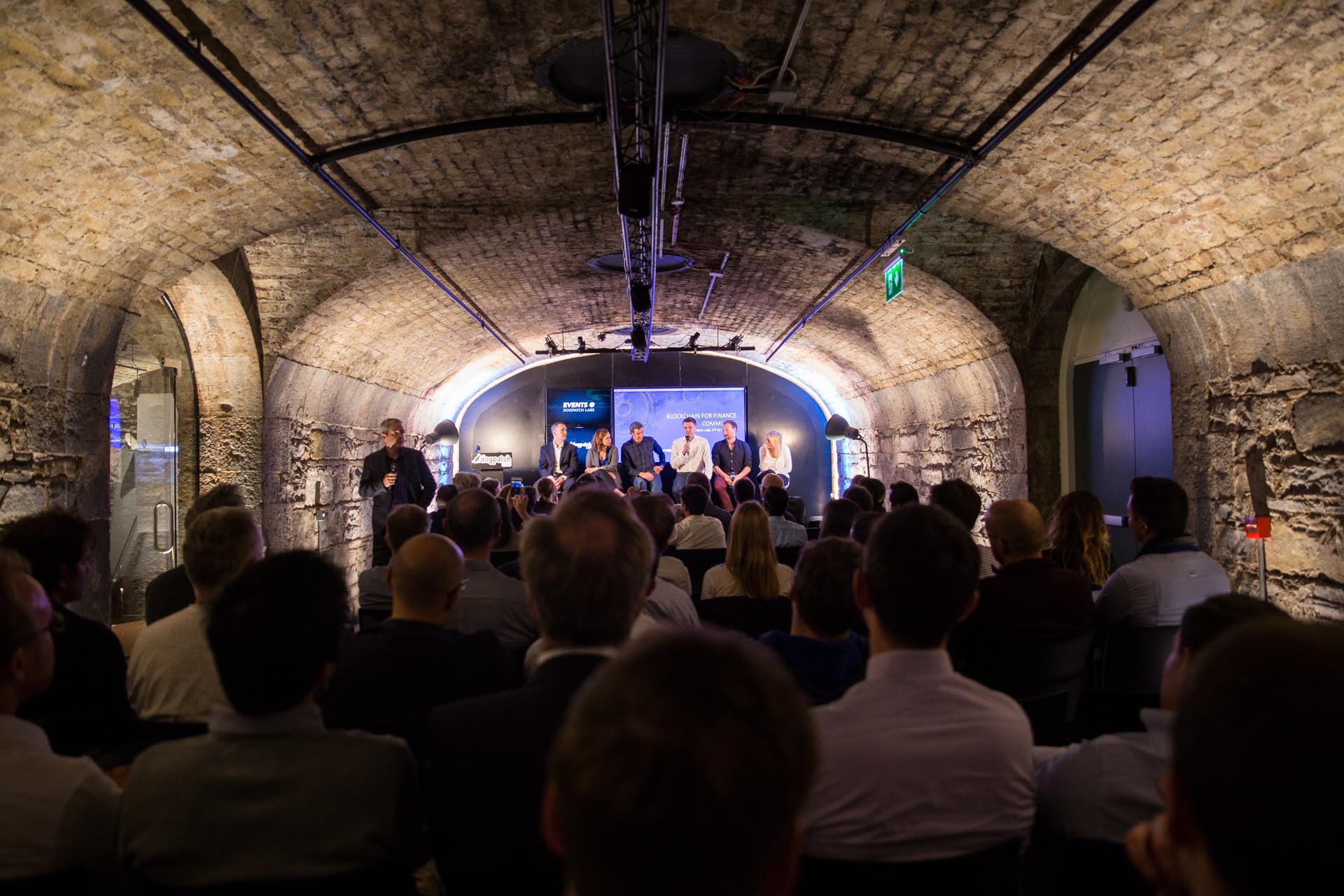
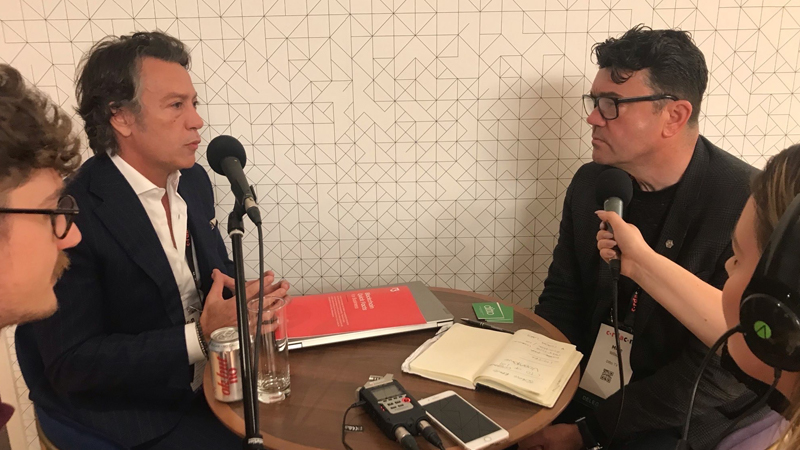
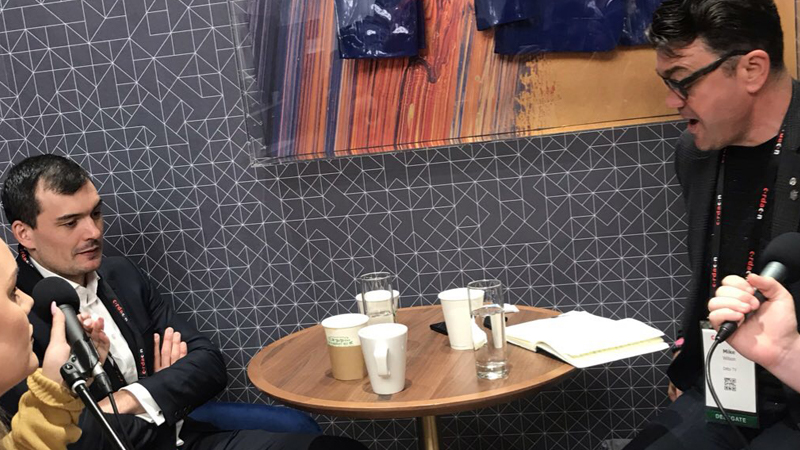
That’s why, on 5th March 2020, Invenica hosted a live broadcast from Blockchain Connect at Dogpatch labs in the heart of Dublin’s tech innovation district. Entitled Smart Cities: The facts of IoT & Blockchain, the webinar explored the fact and fiction behind the IoT and blockchain technologies, what Smart Cities mean for people and the environments we live in, and what products and services are in development to create true Smart Cities.
It was a fascinating exchange of expertise, with our panel featuring David Palmer, Blockchain Lead for IoT at Vodafone; Thomas Spencer, Business Development Director and Telco Lead at R3; Gareth Mee, CEO of Invenica; and Mike Wilson, CEO & Founder of ditto.
Smart Cities
This webinar includes a panel of industry experts from across the market, discussing how firms are preparing to capture the opportunities of Smart Cities. Learn about the real-life applications of Blockchain & IoT technology, what products and services are leading the way, and where is the smart money being invested.
- Gareth Mee – CEO, Invenica
- Mike Wilson – CEO & Founder, ditto
- David Palmer – Blockchain Lead for IoT, Vodafone
- Thomas Spencer – Business Development Telcom Lead – R3
- Monty Munford – Founder (moderator) – Mob76



Our Speaker Bios
-
Gareth Mee is responsible for the growth and strategic direction of Invenica, a specialist software services business. He is currently working extensively within the emerging technologies space covering AI, Blockchain, Chatbots and Conversational Language, with experience in enterprise integration, mobility and UX – delivering mission critical solutions and complex enterprise projects.
-
David Palmer has worked in the IoT sector for 10 years and has been instrumental in the Vodafone Business assessment and exploration of blockchain technology and its potential to add value in the IoT eco-system.
-
Thomas Spencer is responsible is responsible for business development, partnerships, and strategy to support CSPs delivering the future of blockchain on Corda. Leading the industry effort by setting our sector strategy, engaging with partners developing CorDapps, building relationships with CSPs and expanding the R3 Corda brand across the CSP/Telecoms sector.
-
Monty Munford has been keynote speaker/emcee/panellist/moderator/interviewer who has spoken at more than 200 tech events around the world, focusing on technology change;, good and bad.He has also interviewed on stage leading icons such as Kim Kardashian, Steve Wozniak, Gary Vaynerchuk, John McAfee, Brock Pierce, Brian Solis and many others.He was previously a weekly tech columnist for Forbes in New York, the Telegraph in the UK and continues to write regularly for the BBC and The Economist. He is also the founder of tech consultancy Mob76 that helps leading companies raise their profile and he publishes a Google News-verified blog, Mob76 Outlook, which has more than 110,000 unique visitors per month.
Blockchain Connect Dublin

Blockchain Connect Dublin
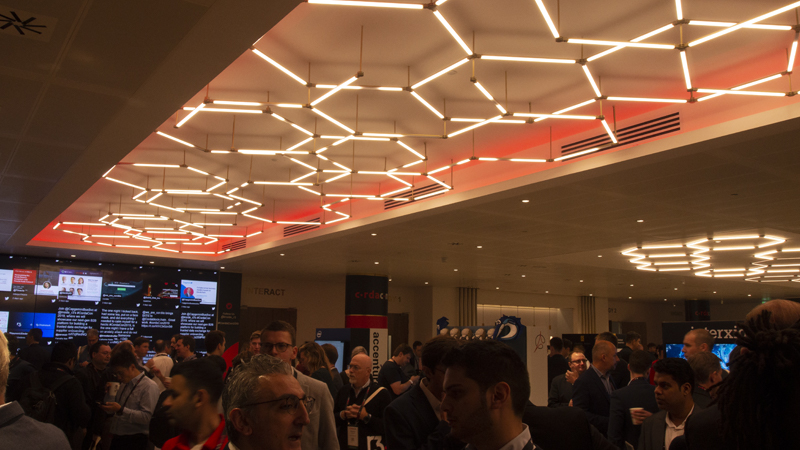
Welcome to our Blockchain Connect Dublin showcase – a day of talks, demos and networking with the industry’s leading innovators. The event was hosted on 5th March at Dogpatch labs, in the heart of Dublin’s tech innovation district – attendees could visit physically or tune in online across the event.
Our CEO Gareth Mee highlighted how blockchain is transforming industry, alongside industry leaders from Vodafone, VT-IoT, dxc, R3 and WIA. This discussion featured real products, use cases listen to our expert webinar focusing on ‘Smart Cities: The facts of IoT and blockchain’.
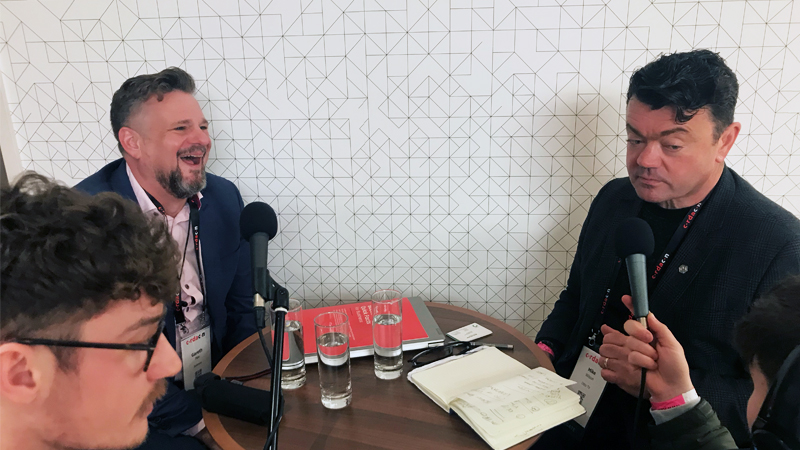
Blockchain Connect – Be Informed. Be Inspired.
Smart Cities: The Facts of IoT & Blockchain Webinar
Blockchain Connect Dublin
This webinar included a panel of industry experts from across the market, discussing how firms are preparing to capture the opportunities of Smart Cities. Delving into the real-life applications of Blockchain & IoT technology, what products and services are leading the way, and where is the smart money being invested.
Separating the fact from the fiction with perspectives from businesses, governments, developers & systems integrators discussing what it means for Smart Citizens and the environments we live and work in.
Introducing our Panellists
-
Gareth Mee is responsible for the growth and strategic direction of Invenica, a specialist software services business. He is currently working extensively within the emerging technologies space covering AI, Blockchain, Chatbots and Conversational Language, with experience in enterprise integration, mobility and UX – delivering mission critical solutions and complex enterprise projects.
-
David Palmer has worked in the IoT sector for 10 years and has been instrumental in the Vodafone Business assessment and exploration of blockchain technology and its potential to add value in the IoT eco-system.
-
Thomas Spencer is responsible is responsible for business development, partnerships, and strategy to support CSPs delivering the future of blockchain on Corda. Leading the industry effort by setting our sector strategy, engaging with partners developing CorDapps, building relationships with CSPs and expanding the R3 Corda brand across the CSP/Telecoms sector.
-
Monty Munford has been keynote speaker/emcee/panellist/moderator/interviewer who has spoken at more than 200 tech events around the world, focusing on technology change;, good and bad.He has also interviewed on stage leading icons such as Kim Kardashian, Steve Wozniak, Gary Vaynerchuk, John McAfee, Brock Pierce, Brian Solis and many others.He was previously a weekly tech columnist for Forbes in New York, the Telegraph in the UK and continues to write regularly for the BBC and The Economist. He is also the founder of tech consultancy Mob76 that helps leading companies raise their profile and he publishes a Google News-verified blog, Mob76 Outlook, which has more than 110,000 unique visitors per month.
"Operators share a common objective, they want to improve the operational efficiency, reduce the cost, and eliminate fraud - DLT will help them to do all these things."
Gareth Mee, CEO, Invenica
"Uber are about to start offering financial services to their customers. This is an example of financial services being poured into each of the verticals and I think from a telco perspective, they are very much l at the forefront of that, will be able to have a billing circuit with most of the population."
Richard Crook, Director, LAB577
Webinar: Blockchain innovation & disruption in Media & Telecoms

Hot on the heels of R3 CordaCon 2019, we continue the discussion and discover how Blockchain and DLT solutions are being adopted in the Telco industry.
Blockchain innovation & disruption in Media & Telecoms
About this webinar
We were joined by fellow R3 partner LAB577 to discuss and present how cross border payments, IoT, smart contracts and identity management are delivering in the telco industry. In this webinar we take a deeper dive into use cases around how media and telecoms firms are innovating and disrupting with blockchain and DLT.
Our phones are no longer just phones they are our wallet, allowing us to transact and make payments wherever we are. Blockchain is fast becoming the technology that underpins this accessible electronic wallet, making transactions secure, fast and more convenient for the consumer.
Over the past couple years, we’ve seen a rise of telcos becoming banks, notably orange, or major telco’s, trying to transform their offering allowing customers to use them for basic banking features and change the payment carriers. But as more and more telco media firms want that competitive edge, how firms getting ahead with this innovation, to disrupt technology such as blockchain? Give firms the opportunity to offer more secure service to a better privacy of data and enabling fast cross border payments that are compliant.
Introducing our Panellists
Gareth Mee is responsible for the growth and strategic direction of Invenica, a specialist software services business. He is currently working extensively within the emerging technologies space covering AI, Blockchain, Chatbots and Conversational Language, with experience in enterprise integration, mobility and UX – delivering mission critical solutions and complex enterprise projects.
Richard Crook is the Former Head of Emerging Technology at Royal Bank of Scotland where he defined and led their crypto and blockchain strategy since November 2014. Richard has a 20 year career specialising in leading teams to shape and deliver maximum business benefits through technology solutions for the largest financial service institutions. Leading his team of engineers, last year he set up LAB577, a software company co-creating application at the intersect of emerging technology and financial services.
-
Gareth Mee,
CEO

-

Richard Crook
CEO and Founder

"Operators share a common objective, they want to improve the operational efficiency, reduce the cost, and eliminate fraud - DLT will help them to do all these things."
Gareth Mee, CEO, Invenica
"Uber are about to start offering financial services to their customers. This is an example of financial services being poured into each of the verticals and I think from a telco perspective, they are very much l at the forefront of that, will be able to have a billing circuit with most of the population."
Richard Crook, Director, LAB577
Roaming Settlement & Fraud Reduction:
· TM Forum: Blockchain Unleashed
· R3, KPMG, Microsoft and TOMIA
· Vodafone, Telefonica and Deutsche Telecom Trails
· ITW Global Leaders Forum – Communication Blockchain Network
Identity and Digital Communities:
· Blockchain Unleashed – BT, Globe Telecom, KDDI, Optus, Orange, Singtel, Telefónica, Ultrafast Fiber and Vodafone
· Next Identity Platform – T-Mobile US
· Mobile Authentication Taskforce – AT&T, Sprint, Verizon and T-Mobile
· Communities and FS – Libra, Rakuten, Walmart
Billing Circuit
Uber announces a push into financial services
• The car ride company reveals plans for a new division called Uber Money, this includes a digital wallet and upgraded debit & credit cards
• Aims to give over 4 million uber drivers & couriers around the world access to a mobile bank account so they can get paid after each ride
• Consumer bank accounts could also be offered on the platform according to Peter Hazlehurst, Head of Uber Money
Blockchain in the Supply Chain
Daimler, Dürr, LBBW execute pilot trade finance transaction deal on Marco Polo blockchain network
• LBBW is Germany’s biggest state-backed Landesbank lender as of 2018. It is also a founding member of Marco Polo blockchain trade finance network currently has 23 members, including Bank of America and technology partner TradeIX
• The transaction involved the order and delivery agreement for a balancing system from Dürr subsidiary Schenck via the Marco Polo with LBBW providing the financing and payment on behalf of Daimler
For more information, or for any topics you would like to discuss on this webinar, please get in touch with Invenica and LAB577 online, LinkedIn or start a conversation directly through email.
Podcast: Blockchain innovation & disruption in Media & Telecoms

As we are fast approaching a new decade we spoke to Gareth Mee, CEO at invenica discussing Blockchain innovation & disruption in Media & Telecoms. In this podcast we touch upon the exciting projects revealed this year and explore how telcos can harness the potential of DLT in 2020.
Invenica is a systems integrator specializing in emerging technology, with 15 years heritage developing enterprise-grade applications for both business to business and business to consumer in large corporations, helping them solve their business problems and challenges with emerging tech.
We have a very heavy presence in media and Telecom. Invenica have been helping the media and telecom industry implement new products and services, streamline and improve their operations for many years now, from launching the first radio streaming music service across Europe, to onboarding OTT providers and allowing telcos to charge to bill.
What exciting projects have you seen in telcos and other industries using emerging technology?
There’s some interesting things that are going on in the media and telco world surrounding emerging tech right now. We’ve all seen the operators pushing 5G to the consumer and that opens up a world of opportunity in terms of rich media communications, gaming, films etc. Operators will continue to push that technology.
I think you can split these things into technology that we can use to help the operational efficiency of the business. We are advising and implementing automation around processes, a typical example of this would be in the customer service space where we’re trying to implement omni-channel Virtual Assistants to automate customer service and conversational AI that will allow companies to do that efficiently. Reducing operational cost and allowing your workforce to complement the Machine and to improve and provide a rich and improve service for your customers.
Distributed ledger technology (DLT) and blockchain is an interesting space and there’s many POCs taking place across the telco industry. Right now, I think that the media and telco industry are trying to work out what the best use cases are and we’re helping our customers identify those, and again you can split those into business support projects or operational support projects and customer facing products and service. On the operational side then there’s the you know the liquidity is important important to any telco carrier so automated financial reconciliation using blockchain is a very strong use case this could be as simple as automating the financial reconciliation for your ATT providers or taking that step further it could be crossed across border roaming between operators and there’s a lot of work going on in terms of exploration in that area.
Taking it further taking it to the product and service side, we’re doing working there with a particular operator arraigned identity and how you might monetize identity in KYC by collaborating with other partners. If you think about the telco, then it’s in a privileged position in terms of the information and data that holds on on individuals and consumers. In the future you will see the consumer owning their own identity and choosing which services that they wish to be provided with and as part of that process that will be kyc process we’re partners collaborate over a blockchain to identify and then provision the consumer with the service so I think if you look at that then it’s an extension of what the telcos will already do it from an OTT basis you may take that one step further and maybe in the future working with digital communities with with digital asset or digital currency where consumers can access whatever service they want through collaboration partners as an example.
There is a bigger topic around business models of the future you, for many many years there’s been a debate about the merge of banking in telcos. We’ve already seen this is an existence or in Orange is running a very successful banking in France, there are opportunities to take this a step further with the digital currency and we’ve seen some collaborating collaborations exploring this for example so not only are you creating a digital community where your users can procure services from a collaboration of partners, but essentially you could allow a digital currency to enable transaction trading within that community.
Why are telcos poised to harness the power of emerging tech and how are telcos working in partnership with other sectors, such as financial services?
Leading on from the discussion we’re having around telco and banking then there are some key points to elaborate on. Obviously the telcos are in a unique position because it knows where you are and essentially it knows what you’re doing, so if you combine that with the financial risk profile then you have the ability to provide a proactive and personalised service to any one consumer, making it around financial planning financial wellness alongside the promotion of the right products and services for them, so that’s just an extension of that particular use case or conversation.
Banking in telco is essentially nothing new, if you look at Africa then you know we’ve had mobile money for some time and interestingly enough; in the regions where Mobile Money has been most successful, for example Kenya, is where the telco has been responsible for that service and promoted that service. In other countries such as Nigeria, it’s the banks that have done it. But the telcos are more digitally aware or mature, and that enables them to provide or produce a better service.
So mobile money and pays is nothing new, but right now that works with the banks underwriting it., so you have to have a bank account. But if you think about the amount of people, not just in the developing world but in the UK and Europe, then you know there’s a lot of people that are what we would call un bankable, don’t have bank accounts. Explore that use case, or business model further, there an opportunity for telcos to offer consumers the unbankable a bank service that is underwritten by a digital currency. I know we’ve had that conversation with other partners and some customers it’s an ongoing debate, it maybe some time away but certainly we’re having some more conversations that will be available, some webinars and some physical events and certainly some of these use cases and topics arraigned DLT and currency that we’re going to be talking about in the coming months.
Can you share use cases around data transfer and security?
There are other things that are happening, from an innovation perspective we talked about security and there are use cases that we discussed around 5G and securtising cross-border data and there are use cases that are being explored for DLT and blockchain.
Those are certainly being explored right now going back to the location; we talked about location in reference to offering a personalized financial service potentially consumers but there’s other use cases there as well. Looking at security, the telco has data about what are you doing where, so it can build up patterns of your use consumption around a particular device or phone and that is useful, for example in families where you might spot an irregular pattern of use, maybe for one of your siblings or children and that’s quite important from a security perspective. There’s also a business use case for managing the consumption of certain types of data; I’ve seen some very interesting technology, recently from some business-to-business MVO players where they cannot they can split down content into categories and even further into individual sites that people are using.There’s lots going on with both the bigger picture and the future operating business model which will continually be discussed for a telco finance and treasury perspective. Then there’s conversations about how can we release capital, because capital is king for the telco and you know, is the answer to that tokenizing in providing digital digital assets to do that arrange roaming on financial reconciliation area partners?
How is emerging tech helping to achieve better customer service?
Obviously what’s going on in the more immediate landscape today you know around new products and services being provided by 5G and the ability that that new network bandwidth gives to media and telco providers to provide richer services for their consumers, and of course then touching on the operational businesses support side of your business.
I think I talked about the savings that the automation AI would drive and we use the customer service explain or example but it’s not just about operational savings it’s about improved customer service so if I call into a contact center and the first thing I hear is ‘hello how may I help you’, my call has been answered for the first time, I’m not in it I’m not in a DTMF queue where I’m being asked to press one two three four for. I talk to the virtual agent as though I talk to a human being, and for 70% of common use cases the virtual agent can resolve my query but in whatever communication style I choose whether that’s voice whether that’s messenger whether that’s SMS and ultimately we’re talking about improved customer service and therefore improved customer retention. That’s imperative for the telco, in many cases in many parts of the world that there’s volumes of calls that don’t even get answered and called drop-off so this in its very essence improve it means that that first step of customer service is achieved.
What is on the horizon for Invenica operating in the DLT space?
I’m going to come back to DLT because that’s gonna be a specific focus of ours for the coming months. Talking specifically about use cases within the media and telco industry and we will
be doing webinar and white paper later in the year on that topic. It’s interesting because everyone’s trying to work out the best use, there’s many different pilots and proof of concepts going on and across the industry and very exciting ones, it’s an interesting time. DLT will be a significant disrupting technology and we talked about DLT because it is not just blockchain, there’s many platform providers out there that are producing some pretty good tech tech platforms.
I think no one really knows what the predominant technology platform will be in the future and it’s very important that you make the right choice in terms of platform or or indeed you you ensure that that platform is interchangeable in the future. I’ve read some interesting reports recently so I can’t claim this is my own my own thinking, but it’s certainly right, you know DLC is not an out of the box product so unlike 5G which is an increase in bandwidth which relations to do some really exciting things for the consumer and business to business applications. With IOT and edge computing, the application is DLT that businesses are using to try and solve certain use cases, it’s trying to pick the most or the best use case for your business and then underlying that the best DLT team for that typical use case.
This is where Invenica is investing a lot of time advising customers, not just in isolation, we’re collaborating with our partners to do that. The whole concept of blockchain or DLT is about collaboration between business partners and that should certainly be the same with the technology and the application of the technology, so it’s not just Invenica talking when we’re talking, we’re talking in consultation and in collaboration with our partners and we’ll be doing more of that in the future.